
Published: December 7, 2025
By: Olga Levitsky
There’s a particular kind of magic in unwrapping a brand-new pair of pointe shoes. The satin gleams, the box feels impossibly firm, and the ribbons fall into perfect, untouched folds. For a moment, they seem almost too beautiful to dance in. But dancers know the secret: beneath that elegance lies a shoe that’s stiff, unyielding, and about as forgiving as a wooden block. Before they can help you glide across the studio, they need patience, care, and a gentle introduction to your feet.
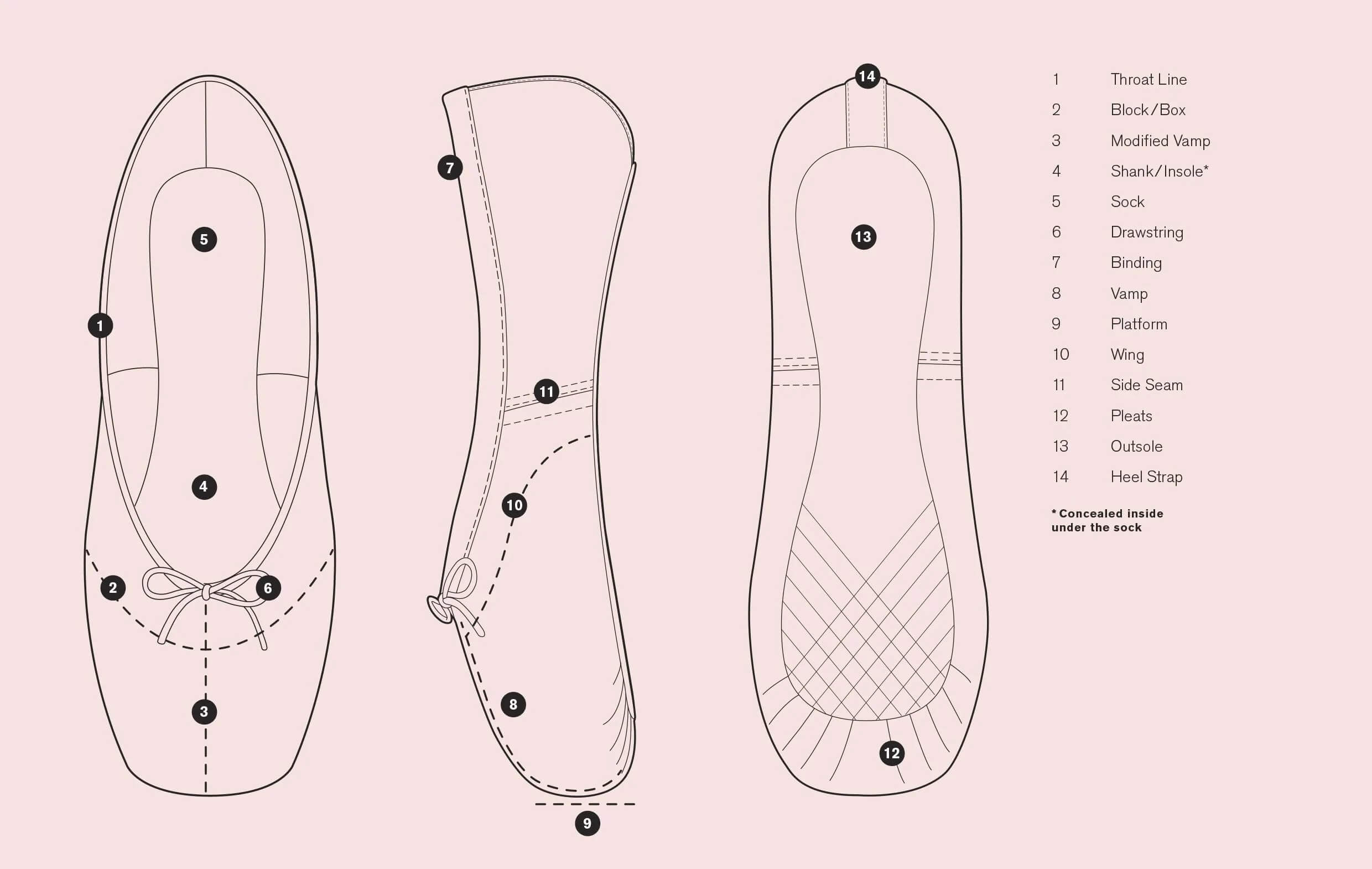
Pointe shoes are designed to be rigid at first. The box has to support your entire weight on a tiny platform, and the shank must offer enough structure for every relevé, balance, and jump, whereas vamp helps keeping your foot securely inside the shoe and offers stability for long toes or high arches.
Shoe’s strength is essential but it also makes the first few rehearsals feel awkward. Your foot tries to arch, but the shoe pushes back. Even a simple roll-through can feel heavy and clunky. The hallmark of pointe work - those long, fluid, effortless lines - only appears once the shoe begins to mirror the natural shape and mechanics of your foot.
Getting started is softer and simpler than you’d expect. Instead of bending or twisting the shoes right away, slip them on and just move. Walk around the studio, do a few pliés, some tendus, and slow rises to demi-pointe. Your body heat and everyday movement will begin to warm and loosen the materials without damaging the structure.
Ten quiet minutes a day can be far more effective than an hour of forceful manipulation, and it allows the shoes to soften exactly where you need support.
As the shoes begin to respond, your attention can shift to the shank. Every dancer’s arch is unique, so the shank needs to bend precisely where your foot does. Put the shoe on, find your natural crease point, and gently guide the shank to follow it. Think of it as encouraging flexibility rather than forcing it: firm pressure, controlled movement. Over time, this creates a shank that supports your arch while still letting you articulate smoothly through every relevé and roll-down.
And then there’s the box, which is the most stubborn part of all. This is why dancers talk about “Breaking In the Box”, because the box is very stiff when brand new, dancers often need to gently soften certain areas but without crushing or damaging the overall structure. Properly breaking in the box helps reduce pressure on sensitive toe joints, improving comfort, and allowing the shoe to mold to the shape of your foot. Built from layers of fabric and hardened glue, the box is meant to be durable, not soft. Many beginners are tempted by shortcuts: smashing the box in a door, wetting it, and even stepping on it. While these tricks may offer quick relief, they also compromise the stability and lifespan of the shoe. A safer, dancer-approved method is to gently massage the box with your thumbs, focusing on the spots that press against your toes. Softening the edges helps shape the shoe to your foot without weakening the platform. After that, your own body weight during pointe practice will naturally finish the molding process.
With repeated use - barre work, relevés, full pointe - the shoe gradually molds to your foot’s shape: box softens around toes, shank gives just enough support but allows roll-down, the platform becomes stable. The shoe then becomes more comfortable, more responsive, and finally feels like part of your body rather than a stiff “instrument” you’re forcing your foot into. As a result, you get better alignment, smoother transitions, and safer pointe work because a shoe was molded to you, and if the shoe wasn’t over-manipulated, it will have a longer usable life.
Breaking in pointe shoes isn’t just a chore – it is a quiet ritual. A conversation between you and your shoes. With patience and mindful technique, they transform from stiff satin sculptures into instruments that support, enhance, and finally merge with you into the graceful movement.
Sewing Ribbons and Elastics
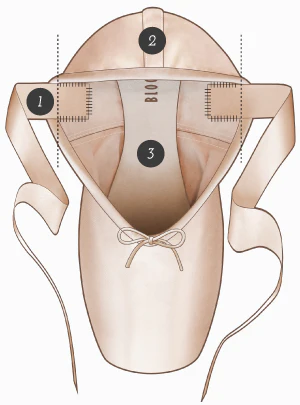
Sewing ribbons and elastics is the next essential step. Ribbons are not just decorative - they keep the shoe snug and supportive as you move. One simple method for finding the right spot is to fold the heel of the shoe inward until it touches the insole; the point where it meets the canvas is your guide. Sew the ribbons into the lining using tight, sturdy stitches. Many dancers add elastics, either a single loop or crisscrossed, to prevent the heel from slipping during turns or jumps. Before wearing them, seal the ribbon ends with heat or a dab of clear polish to keep them from fraying.
As you grow more experienced, you may experiment with customizing your shoes. Some dancers darn the platform for grip, others trim the shank for more arch support, and some reinforce the toe box or wings with glue for extra longevity. These tweaks can be helpful, but they should be small, intentional, and ideally approved by your teacher. Pointe shoes are delicate instruments. A few well-chosen adjustments can improve them, but too many can weaken their integrity.
Caring for your shoes properly is just as important as preparing them. After class or rehearsal, take them out of your bag right away and remove any padding. Moisture from sweat can break down the glue, so let them air-dry in an open space. Dancers who rotate between two or more pairs often find their shoes last longer because each pair gets time to recover. Watch for signs of wear: a collapsing box, a shank that bends too easily, or a platform that no longer feels supportive. When those appear, it’s time for a new pair, because dancing on fully worn shoes can lead to injuries and poor technique.
Professional dancers often juggle several pairs at once: shoes for class, shoes for rehearsals, and the perfectly prepared pairs reserved for performances. They know that breaking in pointe shoes isn’t a single task but a continuous process. They also know that none of it matters if the shoe doesn’t fit properly to begin with. Getting a professional fitting is always the best first step.
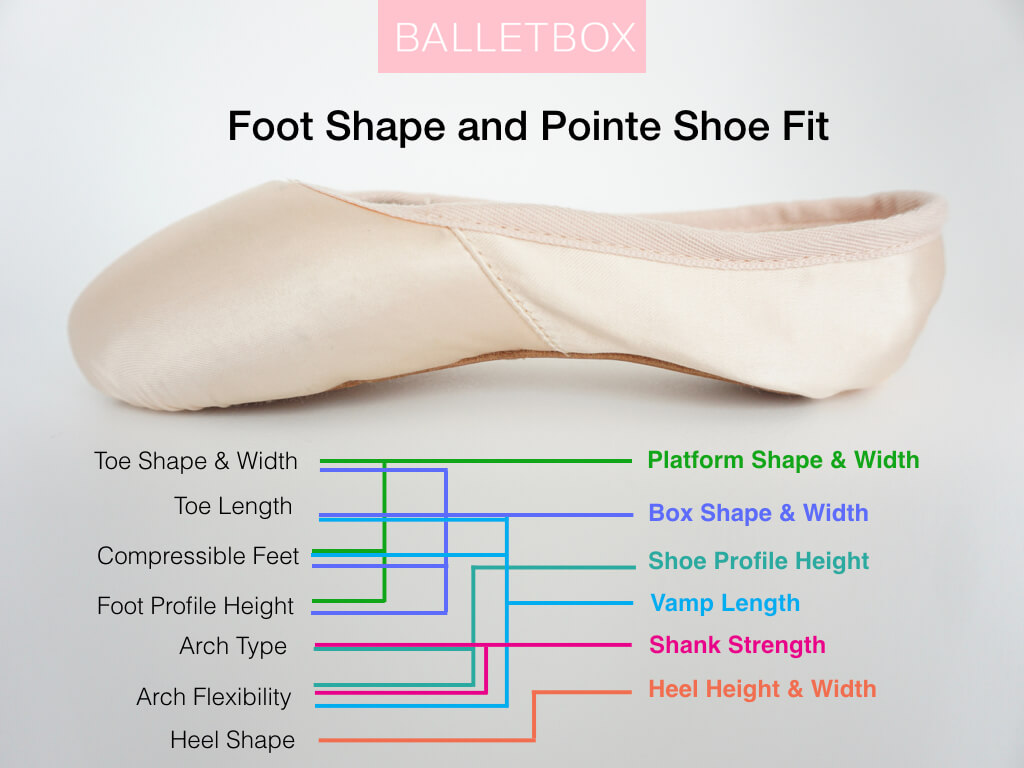
Ultimately, breaking in pointe shoes is a deeply personal ritual. No two dancers prepare their shoes in exactly the same way, and over time, you’ll discover what works best for your feet and dancing style. What remains universal is the importance of patience and respect for your body, for the craft of the shoe, and for the time required to bring them together. When your pointe shoes finally feel like natural extensions of your legs, i.e., strong, supportive, and responsive, your technique can shine without distraction.
In the end, breaking in pointe shoes is more than a technical process. It’s a quiet tradition shared by dancers everywhere, a blend of care and craftsmanship that allows you to rise en pointe with confidence. Treat your shoes with intention, and they will carry you gracefully through every rehearsal, class, and performance.
Important Safety & Best-Practice Reminders
- Many experts caution beginners not to use aggressive methods (hammering, slamming against door frames, soaking in water), these can damage the structure, shorten the life of the shoes, and even cause injury.
- It’s best to wear the shoes as often as possible (with proper padding), and let your foot shape the shoes gradually, especially for your first pair.
- If you do manually soften or shape, do so with careful, controlled pressure, avoiding over-bending or “cracking” the shoe in the wrong spot.
What To Avoid / Use With Caution
- Avoid aggressive “shortcuts” like hammering the box, soaking in water, or bending the shank too low or too often — these can ruin the shoe or make it unsafe.
- If you try manual shaping or bending, do it gently and only where your foot naturally bends (arch area) - overshooting can cause the shoe to break incorrectly.
- For a first-time dancer, the safest and often best method is to wear them, do barre work, demi-pointe & warm-up gradually. Let sweat, heat, movement do most of the shaping.
Ready to learn more about ballet? Dive into more articles on our blog, or visit our website to take kids ballet classes or adult ballet classes.